
Big changes are coming to Florida property taxes! Whether you’re already a homeowner, considering buying your dream home, or thinking about selling, here’s what you need to know.
On November 3, 2026, Florida voters approved Amendment 3, introducing significant changes to homestead exemptions and property tax assessments beginning January 1, 2027.
For homeowners and prospective buyers in Cape Coral, Fort Myers, and throughout Southwest Florida, these changes could influence housing affordability, long-term ownership costs, and future real estate decisions.
What Exactly Is Changing?
Amendment 3 increases the homestead exemption for property taxes other than school district taxes.
- 2027: Up to $150,000 of assessed value exempt from non-school property taxes.
- 2028: Up to $250,000 of assessed value exempt from non-school property taxes.
- 2029 and beyond: The exemption amount will be adjusted for qualifying inflation increases.
School district property taxes remain in place. The amendment also does not eliminate special assessments or other applicable charges.
What Does This Mean for Current Homeowners?
For qualifying Florida homeowners, the expanded exemption could mean substantial savings on annual property taxes.
Imagine owning a Cape Coral home with an assessed value of $375,000. Under the expanded exemption, a larger portion of that assessed value could be excluded from non-school property taxes.
That’s potentially more money staying in your pocket!
If you have a mortgage with an escrow account, reduced property taxes may eventually lower your monthly escrow payment after your lender completes an escrow analysis.
Actual savings will depend on your property’s assessed value, applicable tax rates, and eligibility.
What Does Amendment 3 Mean for Homebuyers?
For homebuyers, understanding the timing of your Florida residency is especially important.
Individuals who established permanent Florida residency by December 31, 2026, may qualify for the expanded homestead exemption when purchasing an eligible primary residence.
However, individuals who establish Florida residency after that date generally begin with the existing exemption structure and become eligible for the expanded exemption beginning in their fifth year of qualifying homestead exemption.
This distinction is particularly important for buyers relocating to Southwest Florida from another state.
Before purchasing, buyers should understand their anticipated property taxes, homestead eligibility, and future ownership costs.
Thinking About Selling? You Won’t Necessarily Lose Your Homestead Benefits!
Here’s something many longtime Florida homeowners may not realize.
If you’re an established Florida resident and decide to sell your current home to purchase another Florida primary residence, you generally won’t have to begin a new five-year waiting period for the expanded homestead exemption.
The amendment’s new waiting period applies to individuals who had not established permanent Florida residency by December 31, 2026.
For example, someone who has lived in Florida since 2018 and has an established homestead exemption may remain eligible for the expanded exemption when purchasing another qualifying primary residence.
Homeowners may also qualify for Florida’s Save Our Homes portability benefit, which can allow them to transfer up to $500,000 of accumulated assessment benefit from their previous homestead to a new Florida homestead, subject to eligibility requirements and deadlines.
These are separate benefits, and moving homeowners must establish eligibility for their new property.
The takeaway? Don’t automatically assume that selling your current home means losing valuable property tax benefits.
Whether you’re downsizing, upgrading, or relocating within Southwest Florida, understanding your options could make your next move more financially attractive.
What About Home Sellers and Property Values?
Lower property taxes may encourage some homeowners to stay in their homes longer, potentially affecting the number of properties available for sale.
At the same time, reduced ownership costs for eligible buyers could influence housing demand.
However, it’s important to remember that buyers do not automatically inherit the seller’s current property tax bill.
A property’s assessed value may change following a sale, and the new owner’s exemptions and tax obligations may differ significantly.
That’s why reviewing estimated property taxes before purchasing is so important.
What About Second Homes and Investment Properties?
Amendment 3 also reduces the annual assessment increase cap for qualifying non-homestead properties from 10% to 5%.
This could benefit owners of second homes, rental properties, and certain investment properties by limiting increases in assessed value.
However, this cap does not guarantee that annual tax bills will increase by no more than 5%, and ownership changes may trigger reassessment.
Could There Be Other Impacts?
Although many qualifying homeowners may benefit from reduced property taxes, the changes could also affect local government revenue.
Communities will need to evaluate how to maintain public services, infrastructure, and other important programs as the new provisions take effect.
The longer-term effects on housing inventory, property values, and local services remain to be seen.
The Bottom Line for Southwest Florida
Florida’s Amendment 3 represents a significant change to the state’s property tax system.
For many homeowners, it creates opportunities for meaningful tax savings. For buyers and sellers, it adds important considerations when planning their next real estate move.
Whether you’re considering purchasing your first Florida home, relocating to Cape Coral, downsizing, or selling your current property, understanding these changes can help you make more informed decisions.
Thinking About Buying or Selling in Southwest Florida?
At SWFL Luxury Team, we believe informed clients make confident real estate decisions.
We’re here to help you navigate the Southwest Florida real estate market with local expertise, personalized service, and a commitment to helping you achieve your real estate goals.
Let’s explore your next move together!
SWFL Luxury Team
Disclaimer: This article provides general real estate information and is not tax or legal advice. Property tax savings and eligibility depend on individual circumstances. Consult your county property appraiser or a qualified tax professional for guidance.






 What the Market Is Doing Right Now
 What This Means for Buyers
 Thinking about buying in Cape Coral, Fort Myers, Bonita Springs, Estero, or Punta Gorda? Request your free Southwest Florida Buyer Guide and let's build your game plan.
 What This Means for Sellers
 The Southwest Florida Advantage
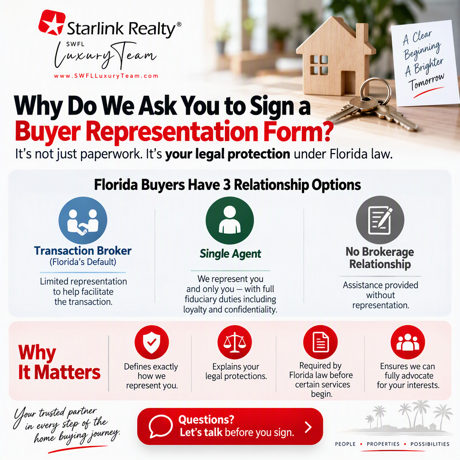
 Transaction Broker
 Single Agent
 No Brokerage Relationship
 The disclosure must use
 Property Search
 Offer Preparation
 Contract Review
 Deadline Tracking
 Transaction Management